Rosacea affects an estimated 5-10% of Irish adults — a rate among the highest in the world, partly attributable to the genetic profile of the population and our climate. LED light therapy is increasingly recognised in dermatology as a useful complementary tool for managing rosacea-associated inflammation and skin reactivity. But not all wavelengths are safe for rosacea, and choosing the wrong device can make the condition worse. This guide covers what the evidence supports and which devices are appropriate for rosacea-prone Irish skin.
Rosacea in Ireland — Why It's So Common and What Drives It
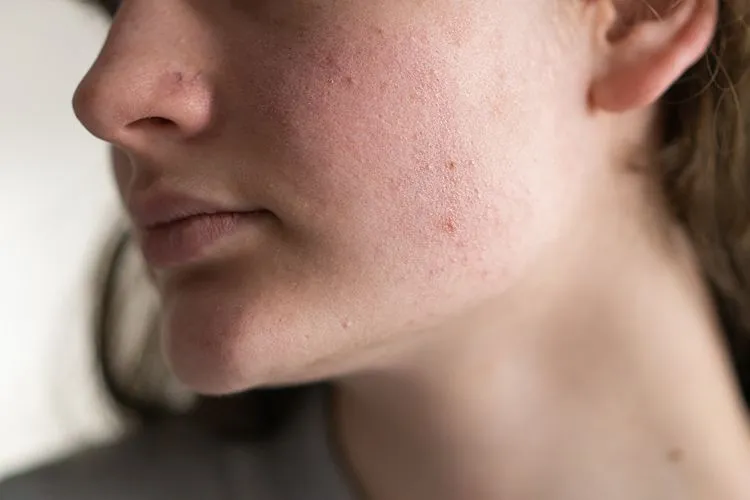
Rosacea is a chronic inflammatory skin condition characterised by facial redness, visible blood vessels, flushing, and in some subtypes, inflammatory papules and pustules. It is significantly more prevalent in fair-skinned populations with Celtic and Northern European ancestry — which partly explains why Ireland has one of the highest rosacea rates in the world.
The condition presents in four main subtypes: erythematotelangiectatic rosacea (persistent redness and flushing, often with visible vessels), papulopustular rosacea (acne-like breakouts alongside redness), phymatous rosacea (skin thickening, most commonly on the nose), and ocular rosacea (affecting the eyes and eyelids). Most Irish rosacea sufferers present with the first or second subtype, or a combination of both.
Rosacea is driven by a dysregulated inflammatory response and vascular reactivity — the skin's blood vessels dilate more easily than normal and the innate immune response is chronically elevated. Environmental triggers including temperature changes, UV exposure, alcohol, spicy food, and stress cause acute flushing episodes that over time can become more persistent.
Understanding the mechanism matters for evaluating LED therapy: it works specifically on the inflammatory component, not on permanent visible vessels, which require different treatment approaches (IPL or vascular laser).
Which LED Wavelengths Are Safe and Beneficial for Rosacea?
This is the critical question for rosacea sufferers considering LED therapy. The answer varies significantly by wavelength.
Near-infrared (830nm) is the wavelength most consistently shown to benefit rosacea. Near-infrared penetrates deeply into the dermis and has well-documented anti-inflammatory properties, reducing the activity of pro-inflammatory cytokines and supporting barrier repair. Multiple clinical studies have shown near-infrared light therapy reduces rosacea-associated redness and skin reactivity with consistent use.
Red light (633nm) has anti-inflammatory properties and stimulates cellular repair. It is generally well-tolerated for rosacea-prone skin in FDA-cleared devices, though individual responses vary. It does not generate heat, which is important since thermal stimulation is a major rosacea trigger.
Blue light (415nm) should be avoided by rosacea sufferers. Blue light targets the bacteria associated with acne (Cutibacterium acnes) and is beneficial for acne-prone skin, but it can irritate rosacea-prone skin and trigger flushing. Any LED mask that includes blue light as a treatment mode should not be used for rosacea.
Yellow/amber light (590nm) is sometimes included in multi-mode devices and is generally safe for rosacea, but it has a weaker clinical evidence base than near-infrared.
The practical conclusion: for rosacea management, choose a device that uses near-infrared (830nm) and optionally red (633nm), with no blue light. Both the Omnilux Contour Face and CurrentBody LED Mask Series 2 meet this criterion.
The Omnilux Contour Face for Rosacea-Prone Skin
The Omnilux Contour Face is the LED device most frequently recommended in clinical settings for rosacea-prone skin. It uses only red (633nm) and near-infrared (830nm) wavelengths — no blue light — and generates no heat, eliminating the thermal trigger concern.
The device is available in Ireland from SkinShop.ie, which describes Omnilux as the world's most trusted LED brand with over 40 peer-reviewed clinical studies. The Institute of Dermatologists IE also stock the Omnilux Contour Face, which provides useful clinical context — this is a device prescribed by dermatologists, not just sold as a consumer gadget.
For rosacea specifically, Omnilux's own clinical data from studies involving rosacea patients confirm reduced redness, improved skin barrier function, and decreased sensitivity with a course of consistent treatment. The flexible silicone design means no pressure is applied to the skin surface, and the 10-minute session is short enough not to cause heat build-up even for very reactive skin.
Starting protocol for rosacea-prone skin: begin with two sessions per week for the first two weeks rather than the standard three to five times per week. Monitor skin response carefully. If no adverse reaction occurs, increase gradually to the standard protocol.
CurrentBody LED Mask Series 2 — A Strong Option Without Blue Light
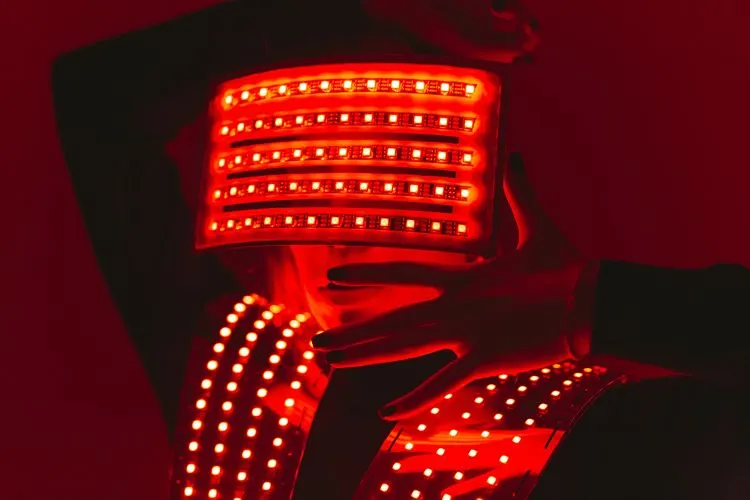
The CurrentBody Skin LED Light Therapy Mask Series 2 uses red (633nm), near-infrared (830nm), and deep near-infrared (1072nm) wavelengths. Crucially, it does not include blue light, making it appropriate for rosacea-prone skin. The additional deep near-infrared wavelength provides deeper anti-inflammatory action than a dual-wavelength device, which may be beneficial for more persistent rosacea inflammation.
CurrentBody ships directly to Ireland and the mask is covered by a 2-year manufacturer warranty. The eye inserts provided with the device are a useful feature for rosacea sufferers, as eye area sensitivity is common in ocular rosacea presentations.
The caveat: CurrentBody Series 2 is a slightly heavier device than Omnilux. For any skin that flushes easily with warmth, it is worth starting with shorter initial sessions to confirm tolerance.
What LED Therapy Cannot Do for Rosacea
It is important to be clear about the limitations of LED therapy for rosacea so expectations are realistic.
Permanent visible vessels (telangiectasia) do not respond to LED therapy. Persistent dilated blood vessels visible on the face require vascular laser or IPL treatment from a clinic. LED therapy can reduce the redness and diffuse flushing associated with rosacea but cannot remove established vessels.
Rosacea is a chronic condition — it cannot be cured by any treatment. LED therapy helps manage the inflammatory component and can reduce baseline redness and reactivity, but it does not address the underlying genetic and vascular predisposition. Trigger avoidance, appropriate topical treatments (azelaic acid, metronidazole, or prescription ivermectin cream as advised by a dermatologist), and consistent SPF remain the core management strategies.
LED therapy is complementary, not primary treatment for moderate to severe rosacea. For mild rosacea with primarily diffuse redness and sensitivity, LED therapy is a reasonable self-care option. For papulopustular or more severe presentations, dermatologist-prescribed treatment should be in place before adding LED therapy to the routine.
Skincare to Use Alongside LED Therapy for Rosacea-Prone Skin
If you are using LED therapy for rosacea, the supporting skincare routine matters. Use the LED session on bare skin or with a very light water-based hydrator. After treatment, focus on barrier repair and calming actives.
Azelaic acid (10-15%) is one of the most useful ingredients for rosacea alongside LED therapy — it reduces the bacteria that contribute to inflammatory papules, inhibits melanin production in areas of post-rosacea hyperpigmentation, and has well-established anti-inflammatory activity. Paula's Choice 10% Azelaic Acid Booster (available from Cloud 10 Beauty and Space NK Ireland) is a good Irish-available option.
Centella asiatica (cica) extract and niacinamide are both well-tolerated by rosacea-prone skin and support barrier function. Avoid fragranced products, alcohol-containing formulations, and highly acidic exfoliants in the days around LED sessions. Daily SPF 30 or higher is essential — UV exposure is among the most consistent rosacea triggers.
“For Irish rosacea sufferers, the combination of near-infrared LED therapy, azelaic acid, and daily SPF addresses three distinct mechanisms driving the condition simultaneously.”
Want the full breakdown of which LED masks are best for general anti-ageing as well as rosacea? Our buyer's guide covers every option available in Ireland.
Best Red Light Therapy Mask — Ireland Buyer's GuideFrequently Asked Questions
Near-infrared (830nm) and red (633nm) LED therapy can reduce the inflammatory component of rosacea, decreasing baseline redness, skin reactivity, and sensitivity over a consistent treatment course. Blue light (415nm) should be avoided as it can trigger flushing. LED therapy is a complementary tool alongside rosacea-specific skincare and, where appropriate, dermatologist-prescribed treatments.
The Omnilux Contour Face (available from SkinShop.ie and the Institute of Dermatologists IE) is the most clinically supported option for rosacea-prone skin. It uses only red and near-infrared wavelengths with no heat generation. CurrentBody LED Mask Series 2 (ships to Ireland from currentbody.com) is also appropriate, offering the additional deep near-infrared wavelength without blue light.
Begin with two sessions per week for the first two weeks to assess skin tolerance. If no adverse response occurs, increase to three sessions per week. Standard rosacea LED protocols in clinical settings typically recommend three times per week for 6-8 weeks as an initial course, followed by maintenance sessions once weekly. Starting more slowly than the general protocol is advisable for reactive skin.
During an active flare, particularly in papulopustular rosacea with inflamed pustules, it is generally advisable to pause LED sessions until the acute flare subsides. Using any device on actively broken or very inflamed skin carries a risk of worsening the response. Resume sessions when the skin has calmed and introduce them gradually.
No. Rosacea is a chronic condition with no permanent cure. LED therapy can reduce its severity and manage symptoms, particularly baseline redness and inflammatory reactivity, with consistent ongoing use. The improvements require maintenance sessions to sustain. For permanent reduction of visible blood vessels, IPL or vascular laser treatment from a clinic is required.
Beauty Shop Ireland
Beauty Shop Ireland is an independent editorial guide for Irish consumers. We research skincare brands, makeup, beauty devices, and red light therapy products available in Ireland — giving you honest, straightforward buying advice without the influencer spin.
References
- Papageorgiou P, Katsambas A, Chu A. Phototherapy with blue (415 nm) and red (660 nm) light in the treatment of acne vulgaris. British Journal of Dermatology. 2000;142(5):973-8. PubMed
- Goldberg DJ, Russell BA. Combination blue (415 nm) and red (633 nm) LED phototherapy in the treatment of mild to severe acne vulgaris. Journal of Cosmetic and Laser Therapy. 2006;8(2):71-5. PubMed
- Avci P, Gupta A, Sadasivam M, et al. Low-level laser (light) therapy (LLLT) in skin: stimulating, healing, restoring. Seminars in Cutaneous Medicine and Surgery. 2013;32(1):41-52. PubMed